
Dream Job Quiz
A hiring experience that feels more like self-discovery than a form.
Find the job that fits your personality
This project used ideas from Carl Jung's psychological types to help young people explore personality traits and possible careers. It also showed how skills learned at McDonald's could support future goals.

A campaign about first jobs and future skills
The wider campaign said something honest: McDonald's may not be your final dream job, but it can teach skills that matter later in life. The quiz became a way to attract young candidates while giving them something useful in return.
Use psychology to create value first
Instead of pushing job ads immediately, the experience first helps users understand their traits, strengths, and possible career paths. That made the interaction feel more personal and much less transactional.
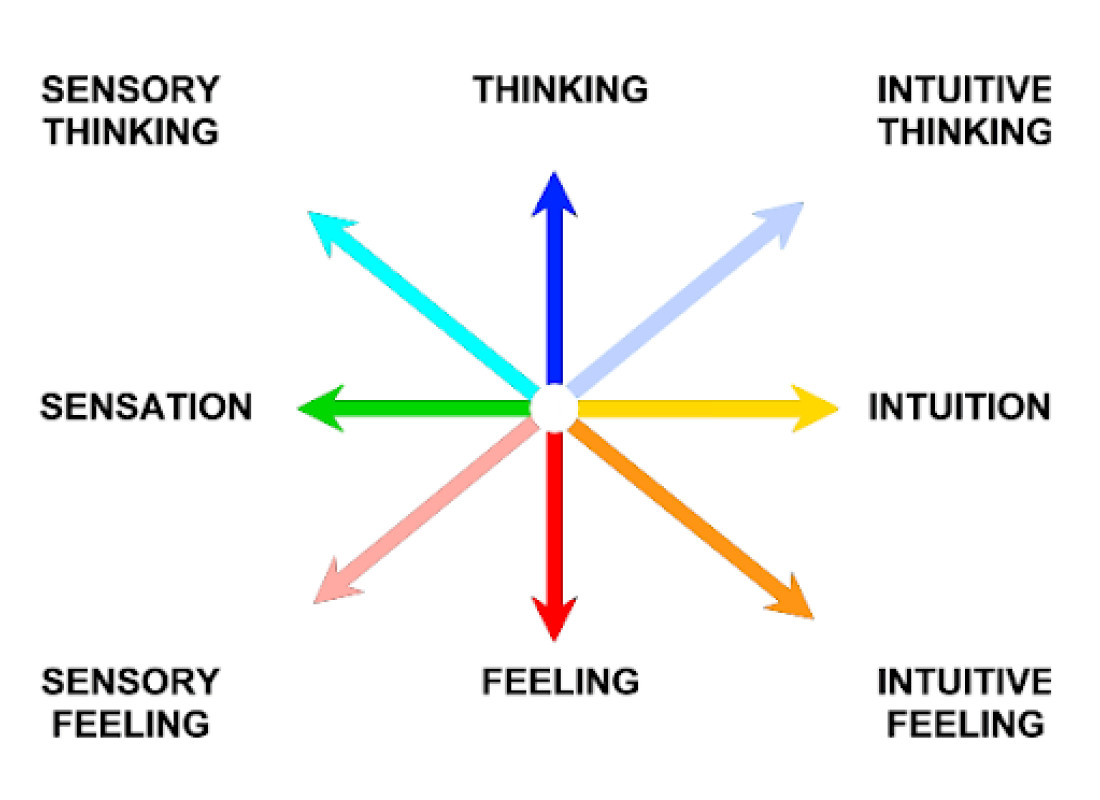
Translate abstract types into simple archetypes
The challenge was to transform a complex theory into something short, clear, and friendly for Gen Z. Each result needed to feel modern, relatable, and motivating.

Type framing
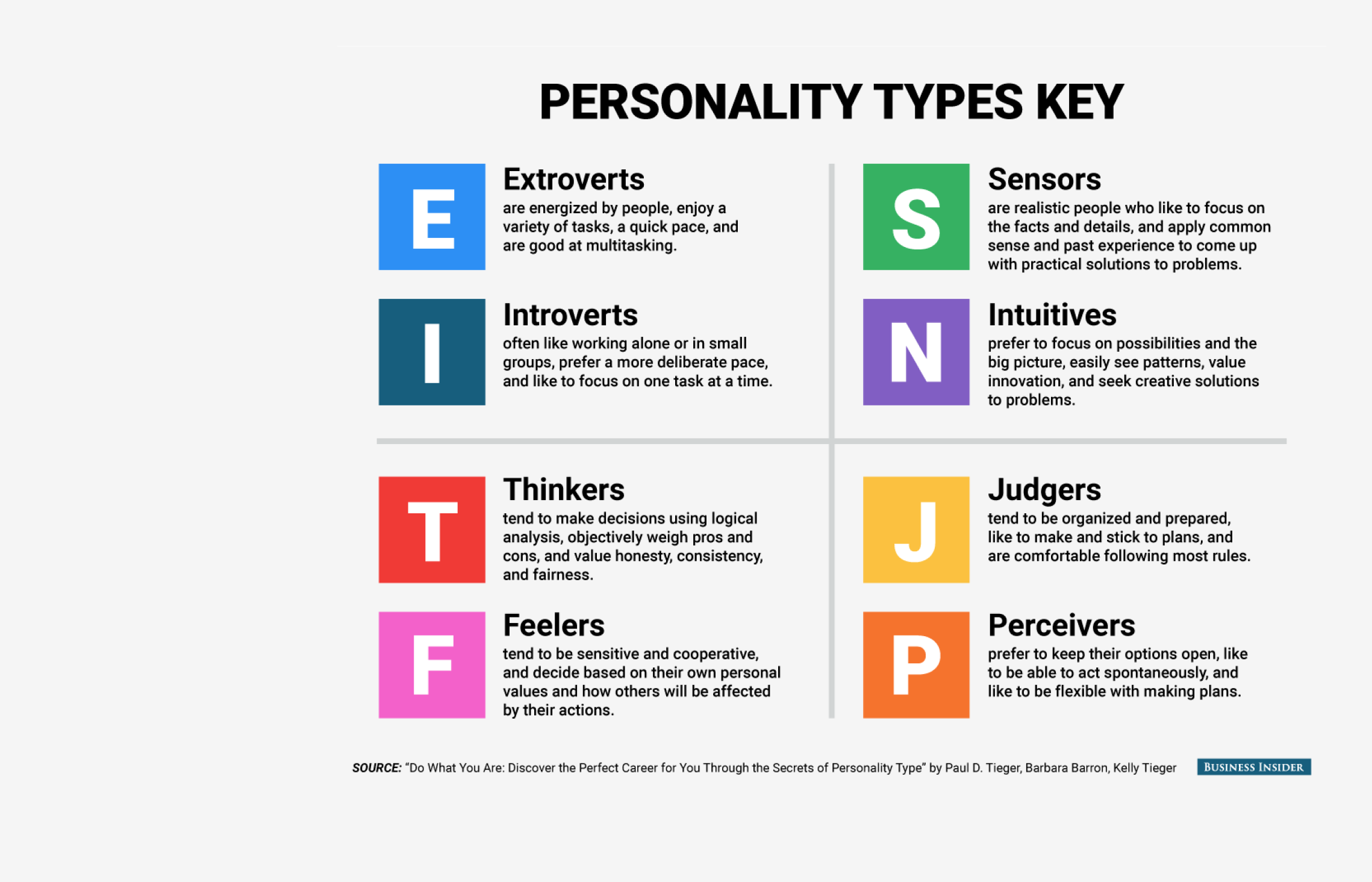
Archetype translation
Keep the diagnosis short, clear, and playful.
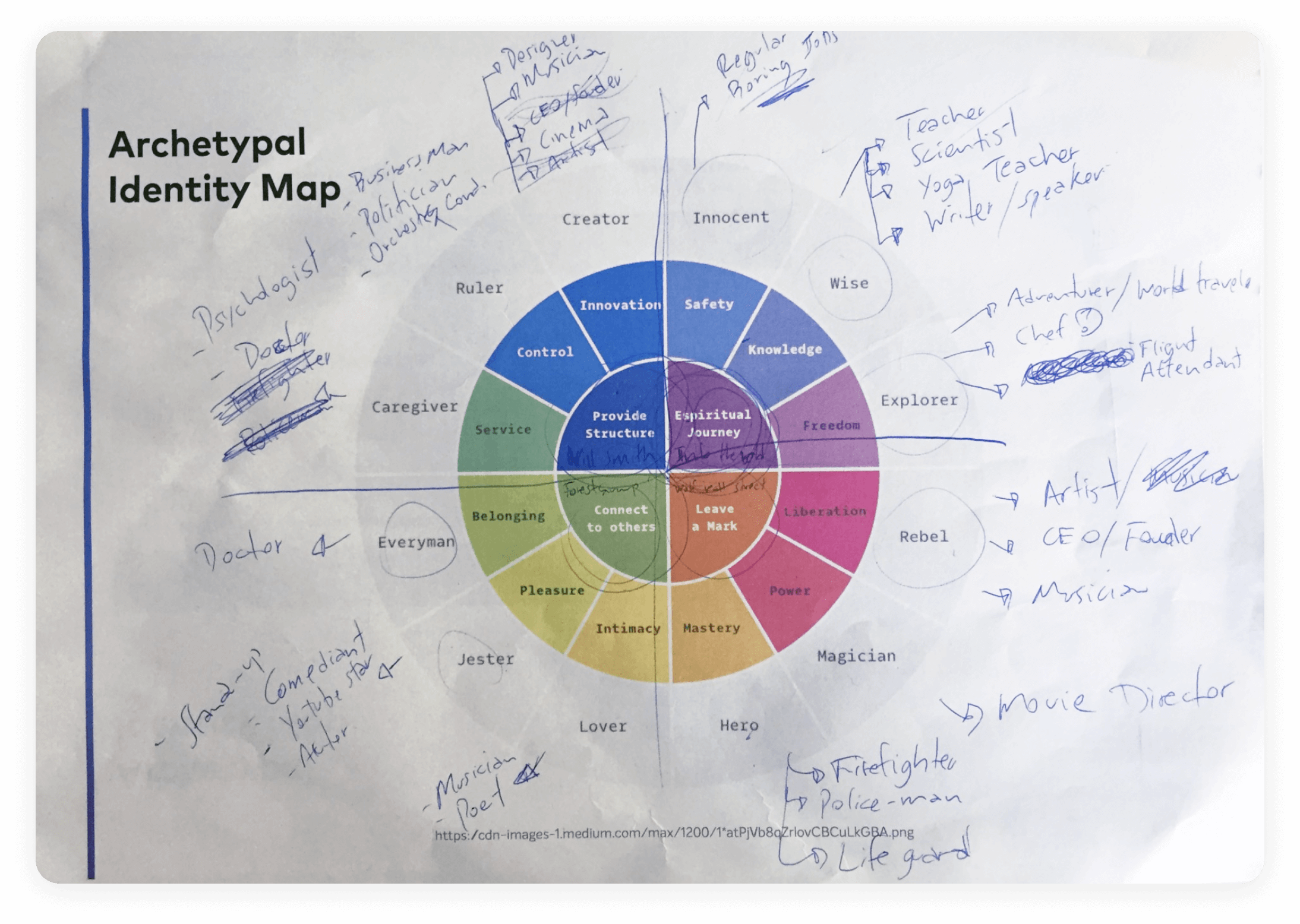
Recognition over effort
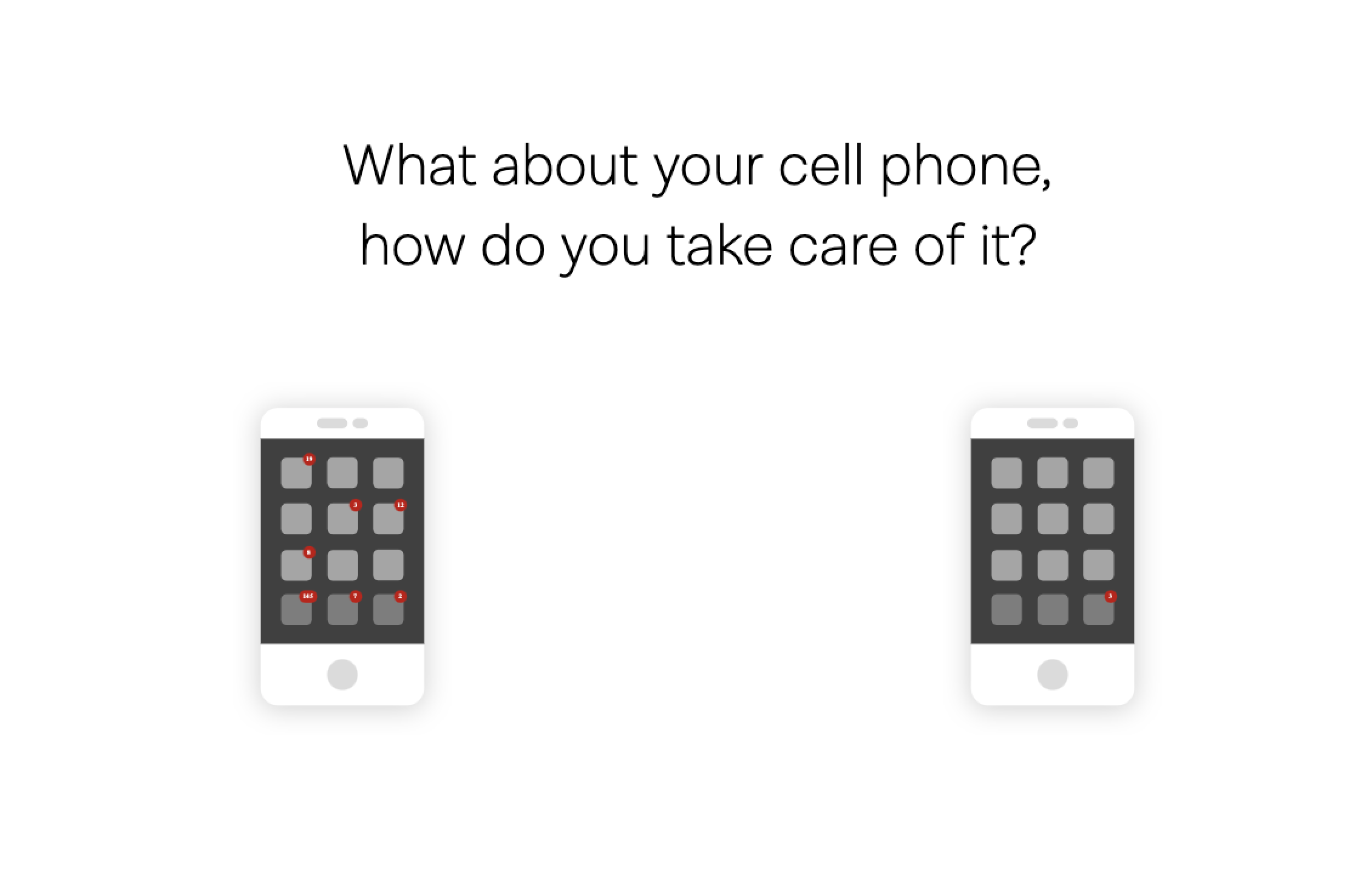
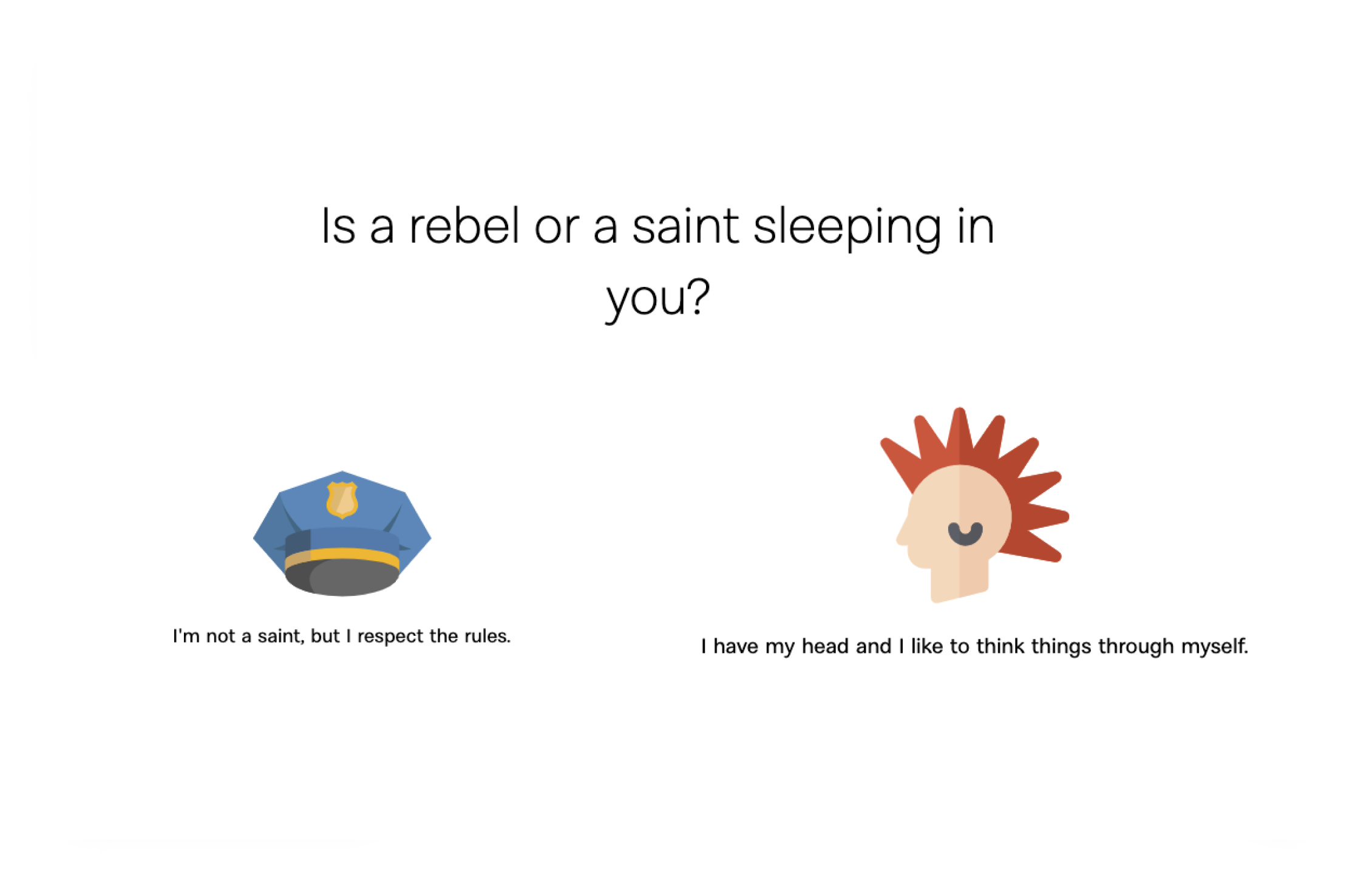
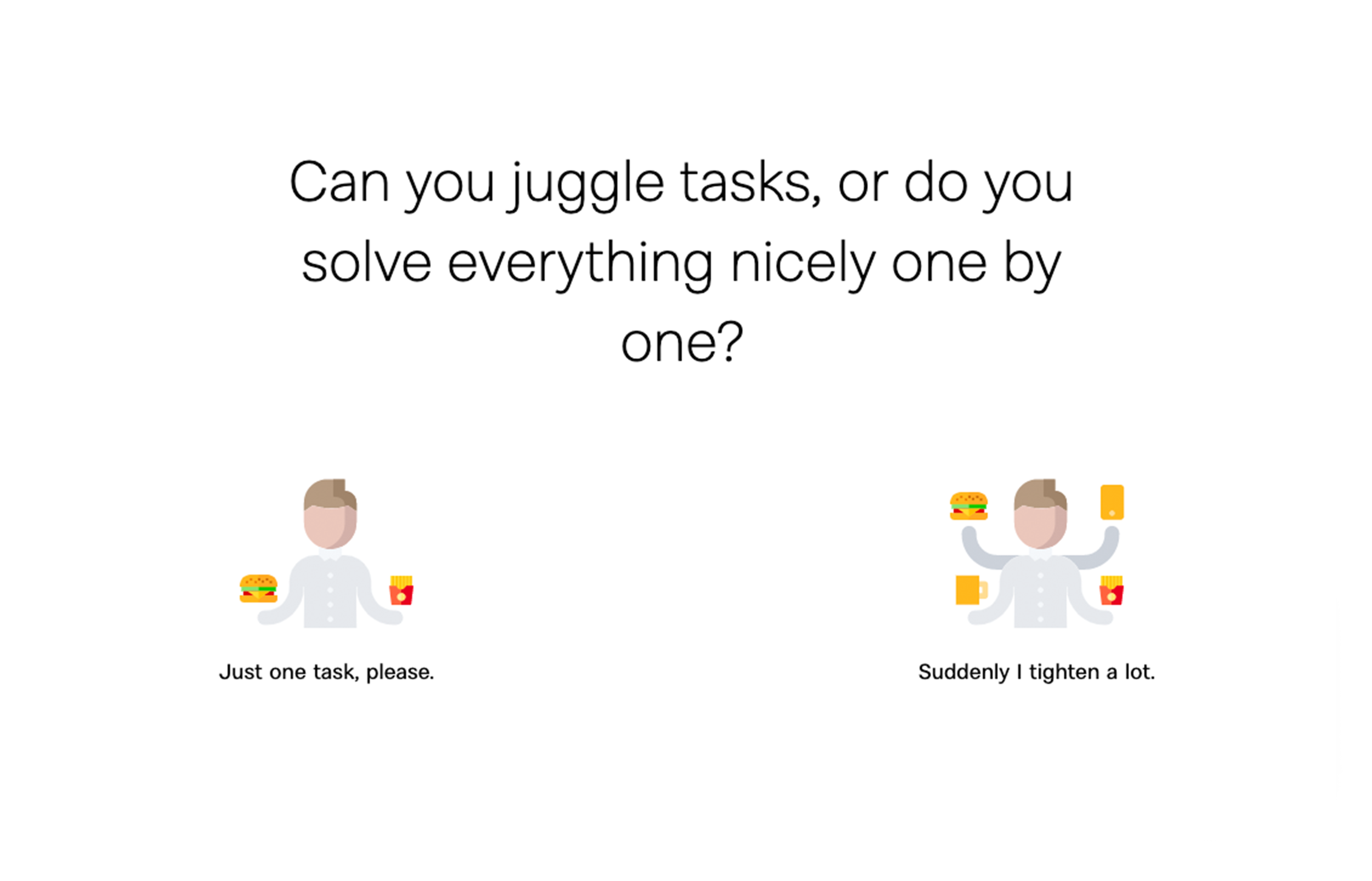
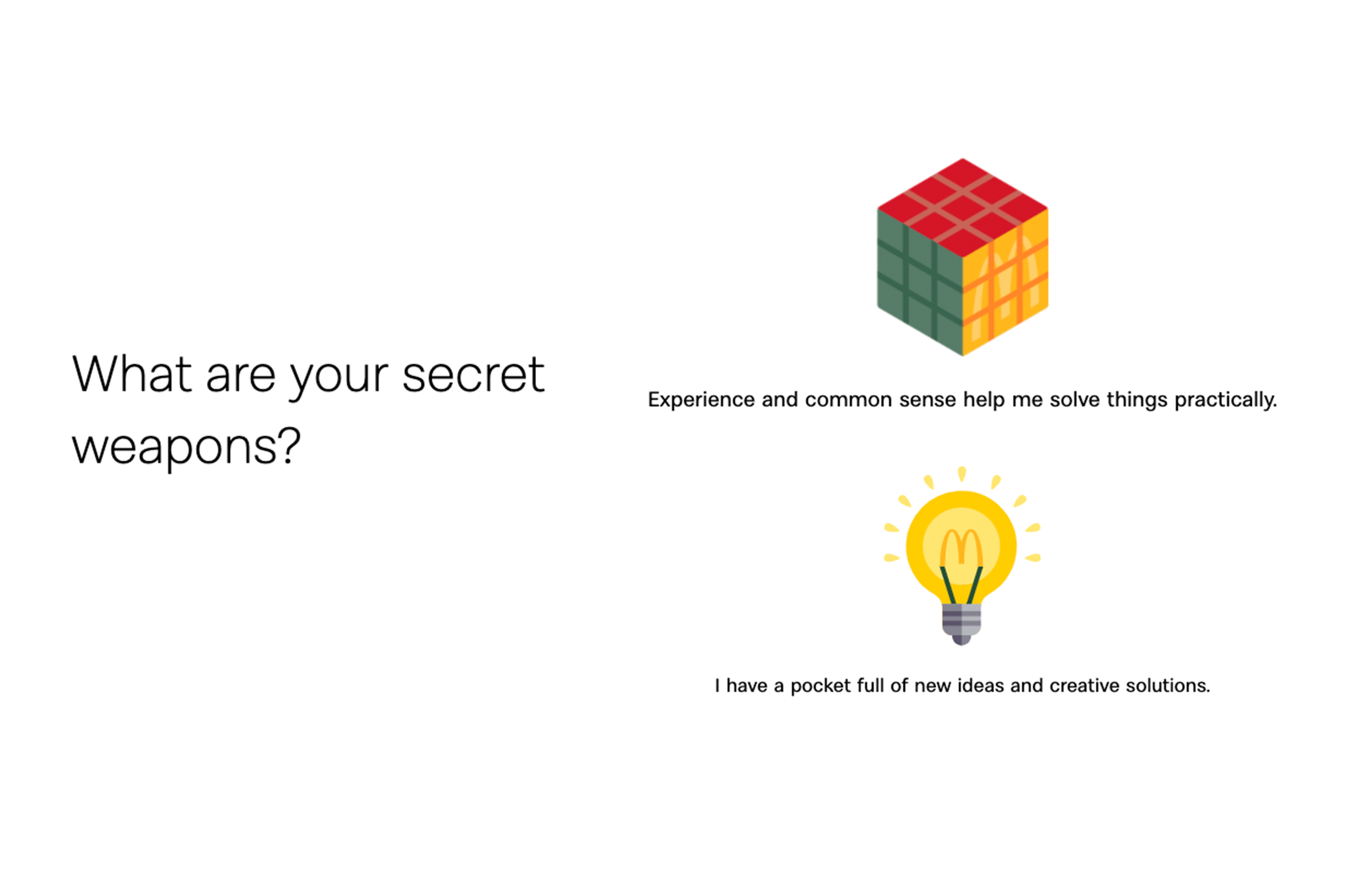
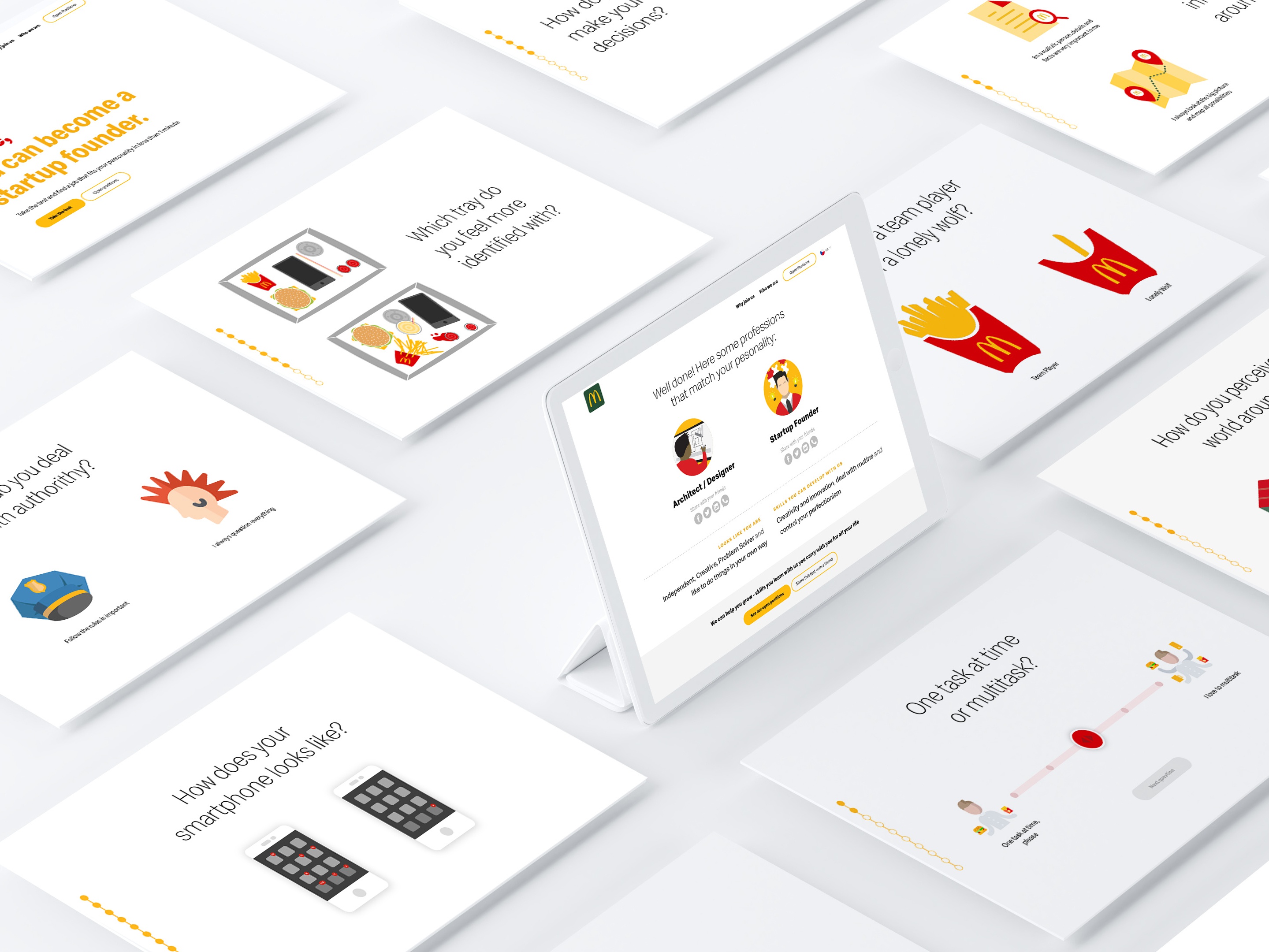
Most personality quizzes are long and tiring. This one kept the logic in the background and focused on short, easy questions that still mapped the right traits.

Short copy with a hidden psychological map
The wording had to feel light and creative while still mapping one part of the psychological type behind the scenes. This is where UX writing became essential.
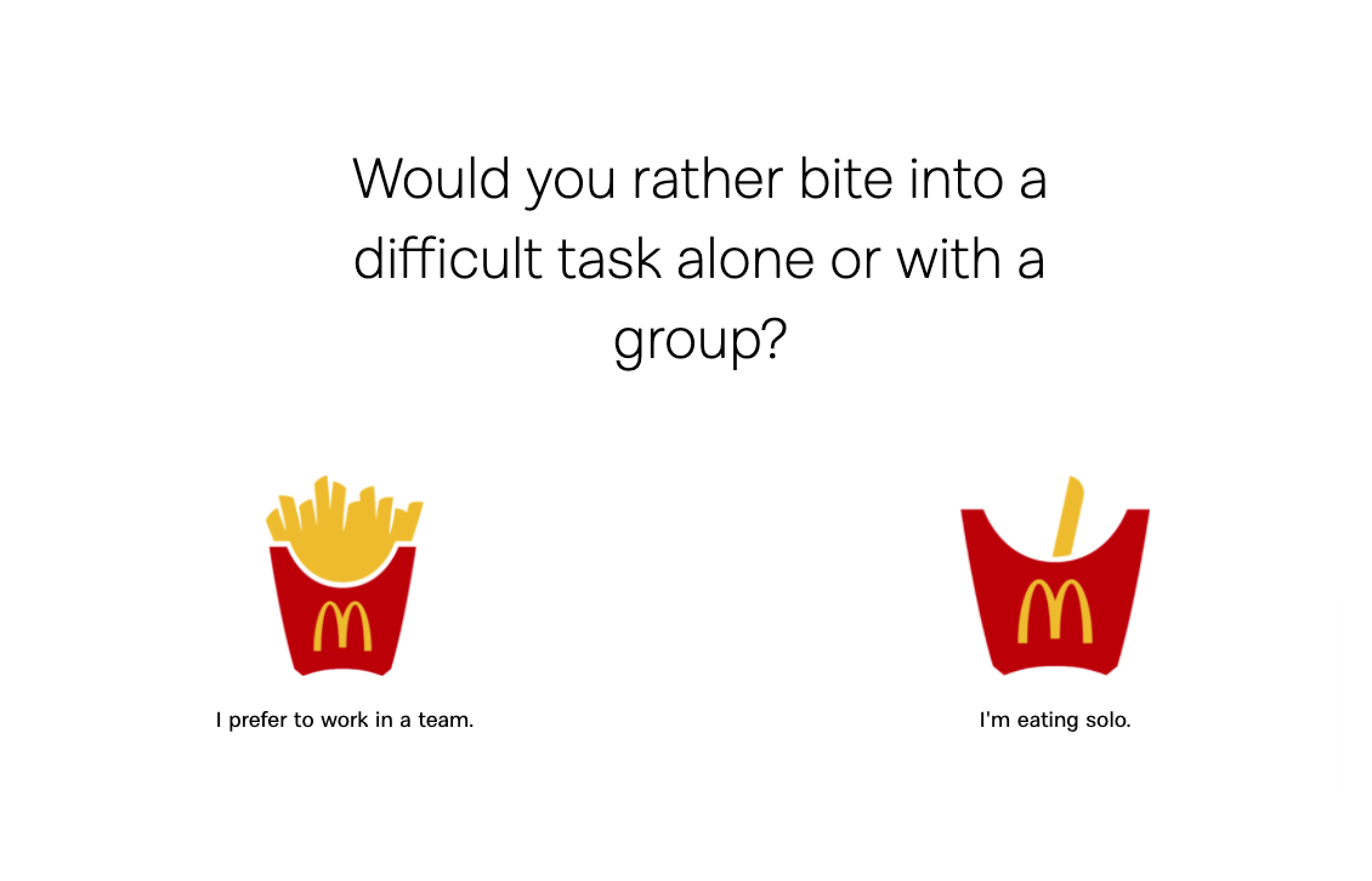
Match personality types to modern professions
The results moved away from generic job labels and toward professions that felt current and exciting for younger audiences.
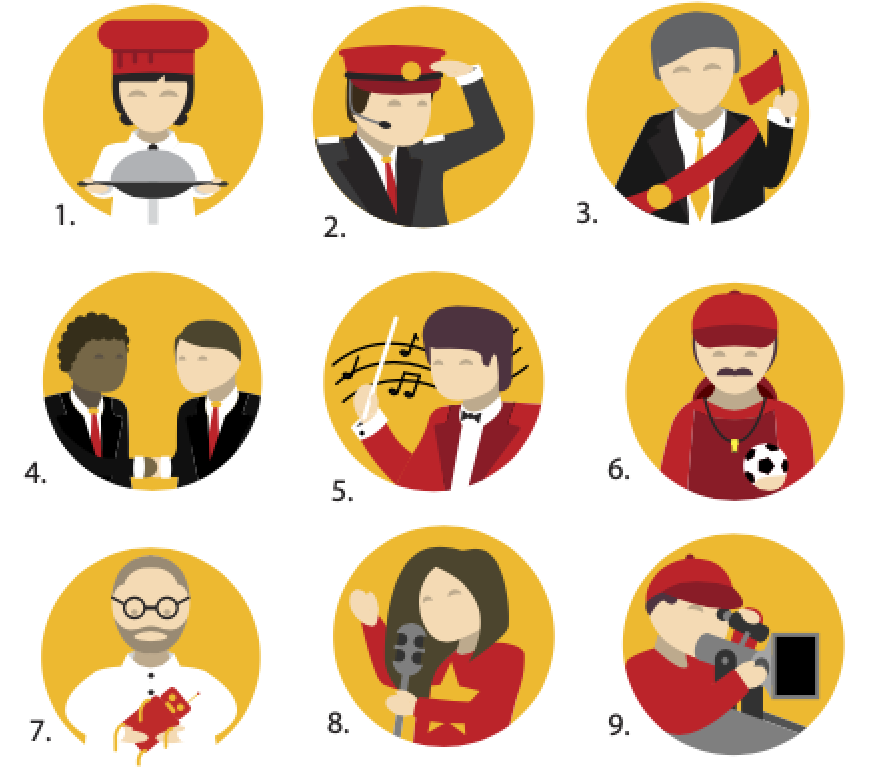
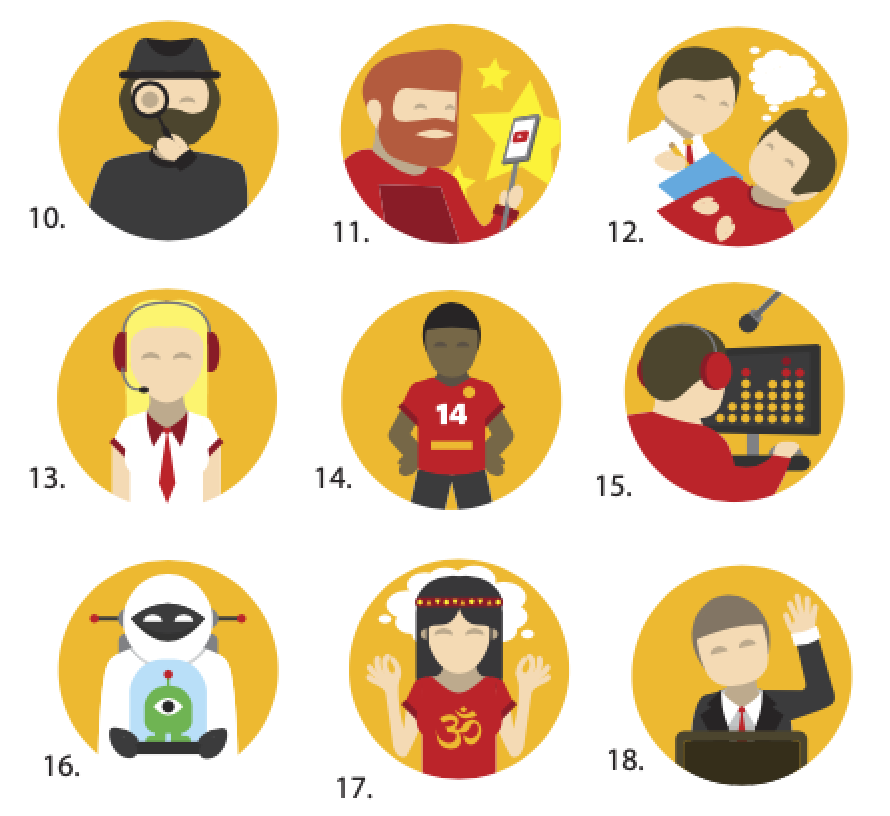
Illustrated identities made the result feel personal
With custom avatars, the outcome felt more like a personal discovery than a dry scorecard. That made the final step more memorable and easier to share.
A quiz that gives something back

What made the concept work
Bring developers in early
Shared logic early makes the build faster and smoother later.
Psychology can guide UX
Strong theory becomes useful when the interface makes it feel simple.
Use culture, not clichés
Modern professions and custom visuals made the experience feel relevant.